

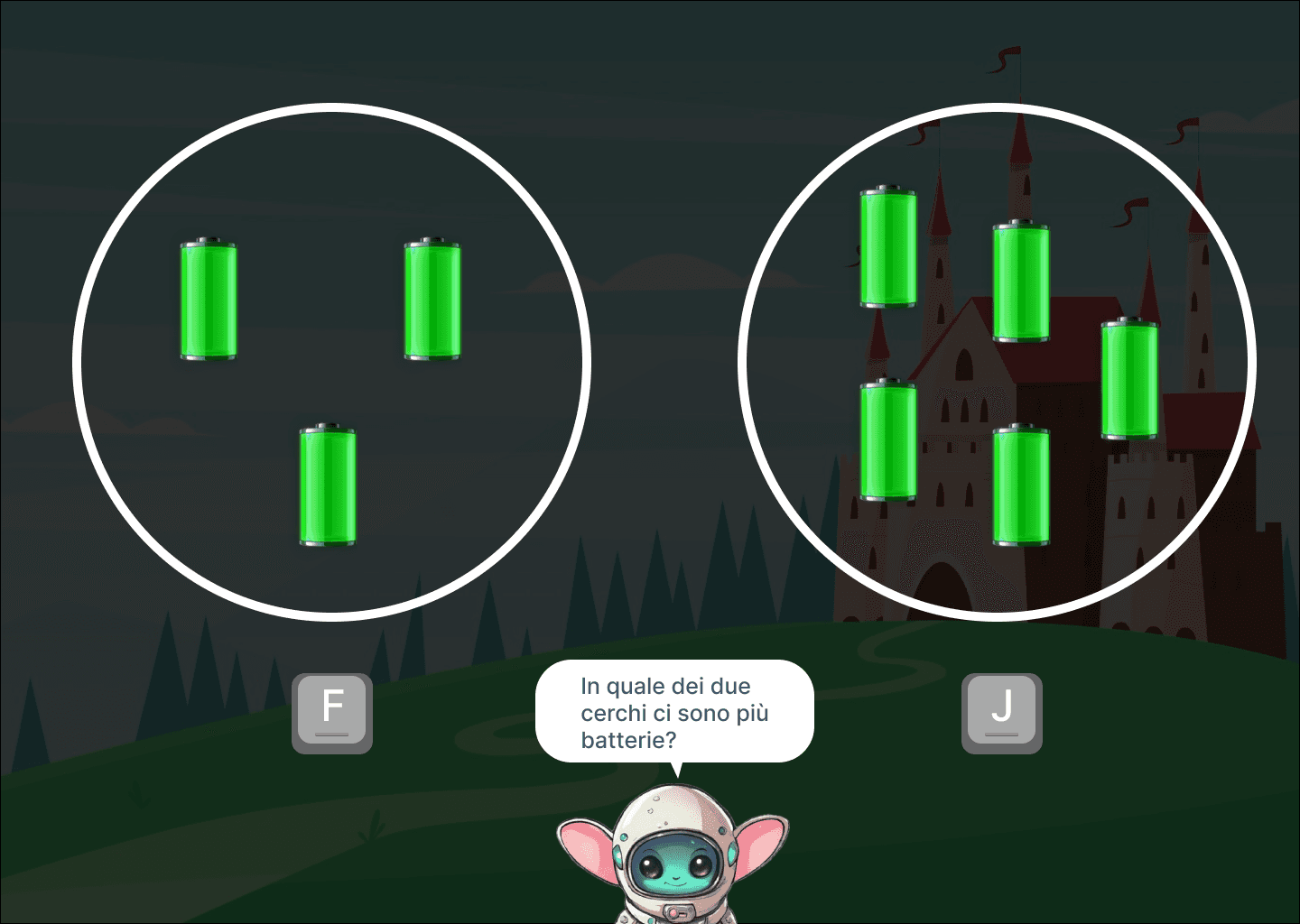

The project "Mathematical Game for Children" (GIOCO MATEMATICO PER L’INFANZIA, GMI) was developed as a course project for “Design for social inclusion” that is part of the human computer interaction master program at the University of Trento and then extended as a collaboration with a research center. GMI is a gamified digital tool designed for primary school students to assess their mathematical intelligence. It serves as a screening tool for dyscalculia and provides personalized training based on the individual needs of each student.
Timeline
Around 6 months.
Context
Academic + industry-facing project
Role
UX researcher and designer
Background
Dyscalculia is a specific learning disability that affects a child's ability to understand and perform mathematical tasks. Early detection and intervention are crucial for children with dyscalculia to ensure they have the same learning opportunities as their peers. Traditional methods of detecting and addressing dyscalculia can be time-consuming and may not engage young learners effectively.
We followed a structured approach using agile methodologies to develop the GMI tool:
Research and Brainstorming (Discover)
We conducted in-depth research on dyscalculia, early diagnosis methods, and existing educational tools, exploring how gamification could support assessment and learning.
Selecting Useful Insights and Ideas (Define)
Key areas of mathematical intelligence were identified, including number sense, numerical lexicon-syntax, and calculation skills, allowing us to define the scope and tasks to include in the tool.
Prototyping and Redesign (Develop)
We designed and iterated on prototypes through multiple feedback cycles with educators and specialists, refining games and tasks to assess different mathematical abilities in an engaging way.
Final Presentation (Deliver)
The final outcome was a validated prototype presented to researchers, psychologists, and companies in the field, demonstrating its potential for early screening and personalized training.
The GMI tool is an interactive, gamified platform that evaluates primary school students' mathematical abilities through engaging tasks and games. It provides:
Screening
Early identification of students at risk of dyscalculia.
Personalized Training
Customized exercises based on individual performance to address specific weaknesses.
Teacher Support
Insights for teachers to help manage and support their students' learning needs.
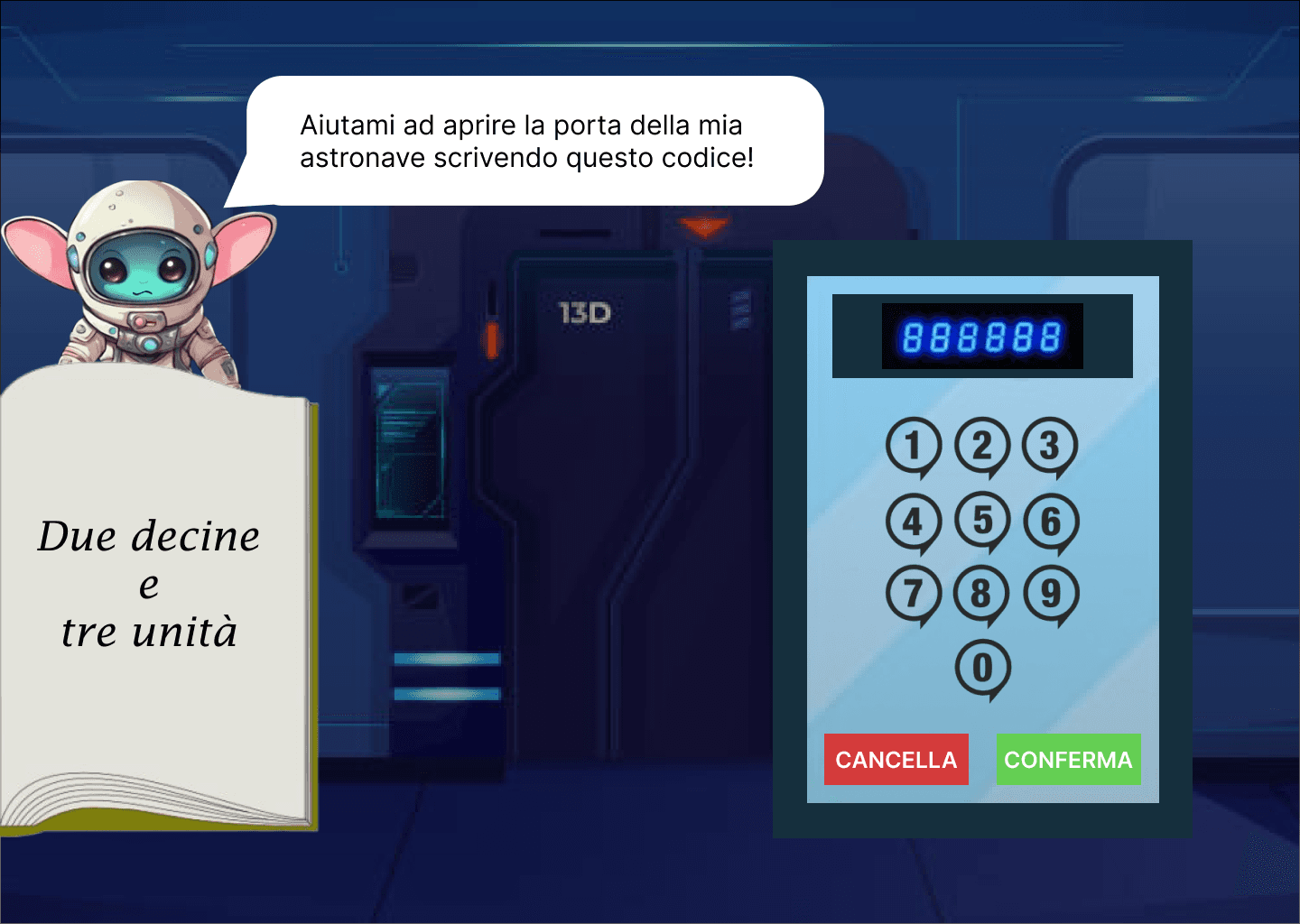
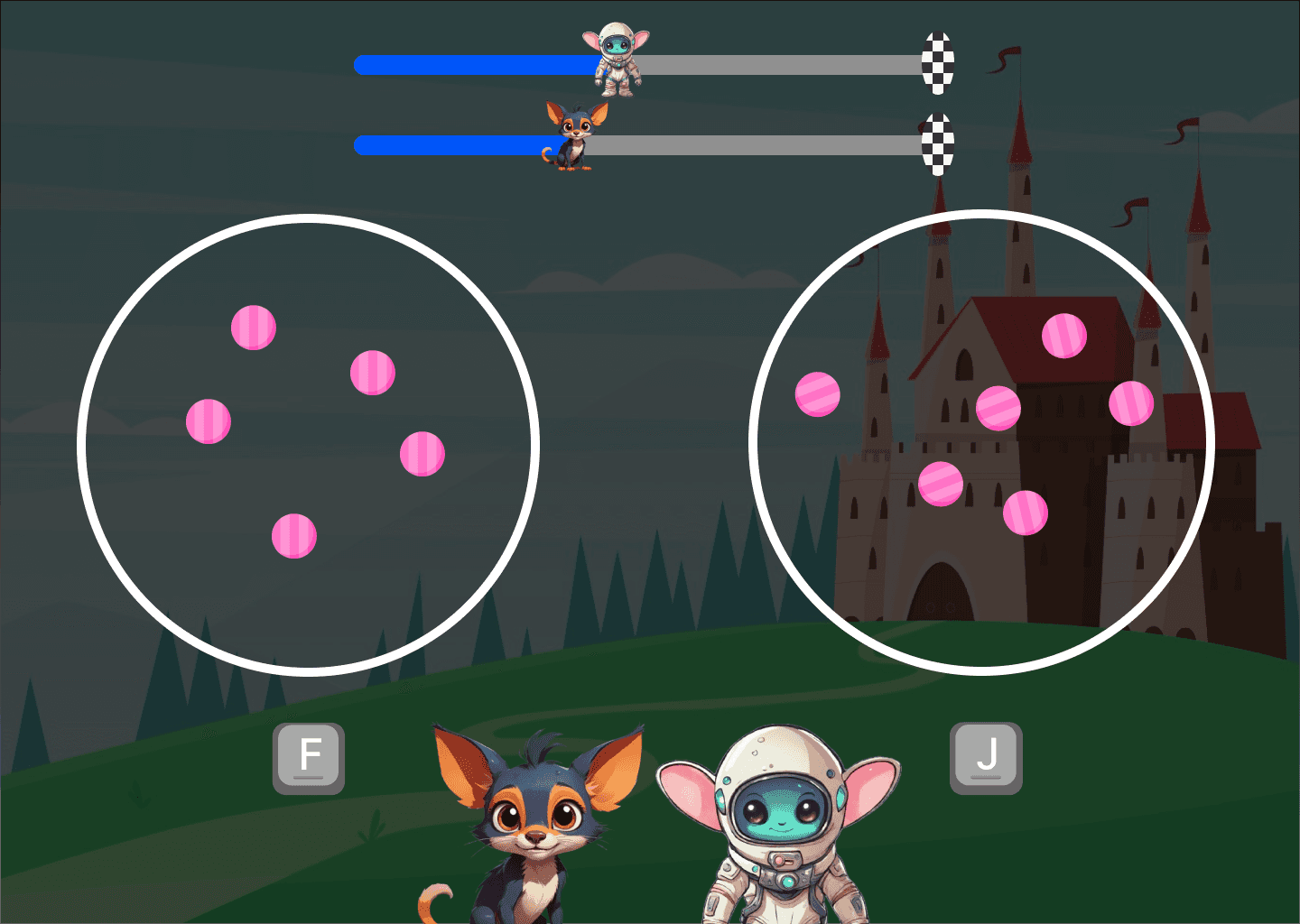
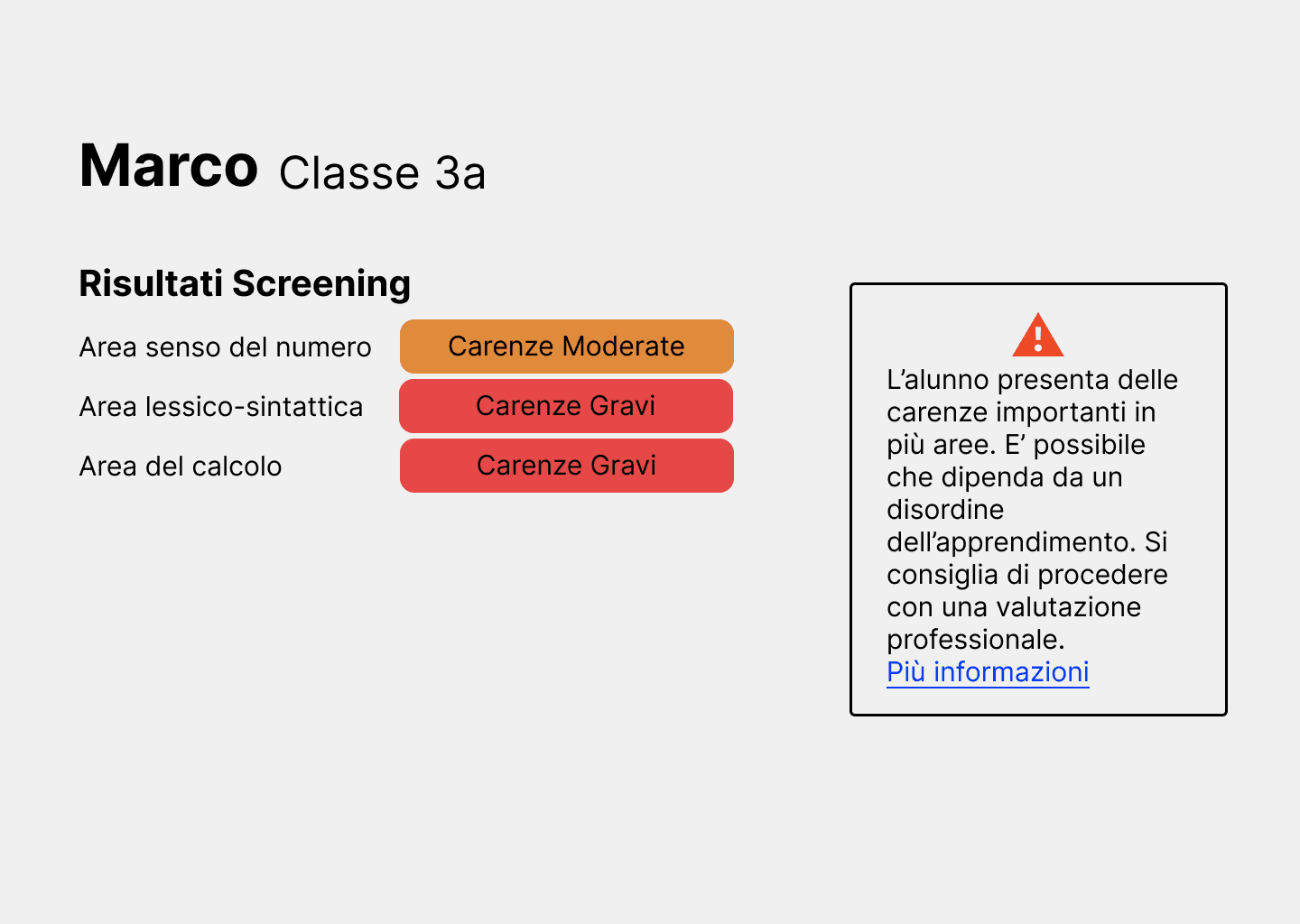
Produced static mockups for the screening and training gamified tasks. Later individually refined part of the mockups into an initial dyscalculia screening prototype.
Collaborated with students from different backgrounds: Worked closely with other students to make the tool, ensuring its relevance and practical application in the classroom setting.
Promoted Social Inclusion: Addressed a critical gap in early dyscalculia intervention, providing students with equal learning opportunities through adaptive support.
Iterative Prototyping: Applied agile methodologies, refining the tool through multiple feedback loops, improving usability, and ensuring it met user and stakeholder needs.
Stakeholder Presentation: Presented the GMI tool to companies and other researchers in the field, receiving valuable feedback and validating the tool's potential for early detection and intervention.
Presenting to potential stakeholders
Collaborating with researchers and psychologists
Social Inclusion/Exclusion